
Facial Harmony and Beauty: An Evidence-Based Guide
Back
Facial Adiposity and Beauty: An Evidence-Based Guide
January 16, 2026
Fundamentals of Beauty Series
TL;DR
Facial adiposity is the amount of fat in your face, and it closely reflects overall body fat and BMI. Studies show that lean, healthy facial adiposity (neither gaunt nor overweight) is rated most attractive because it is perceived as a sign of fitness and highlights facial structure while preserving youthful volume. Optimising facial adiposity by sustaining a healthy BMI is one of the most reliable ways to improve both facial attractiveness and health.
Roadmap
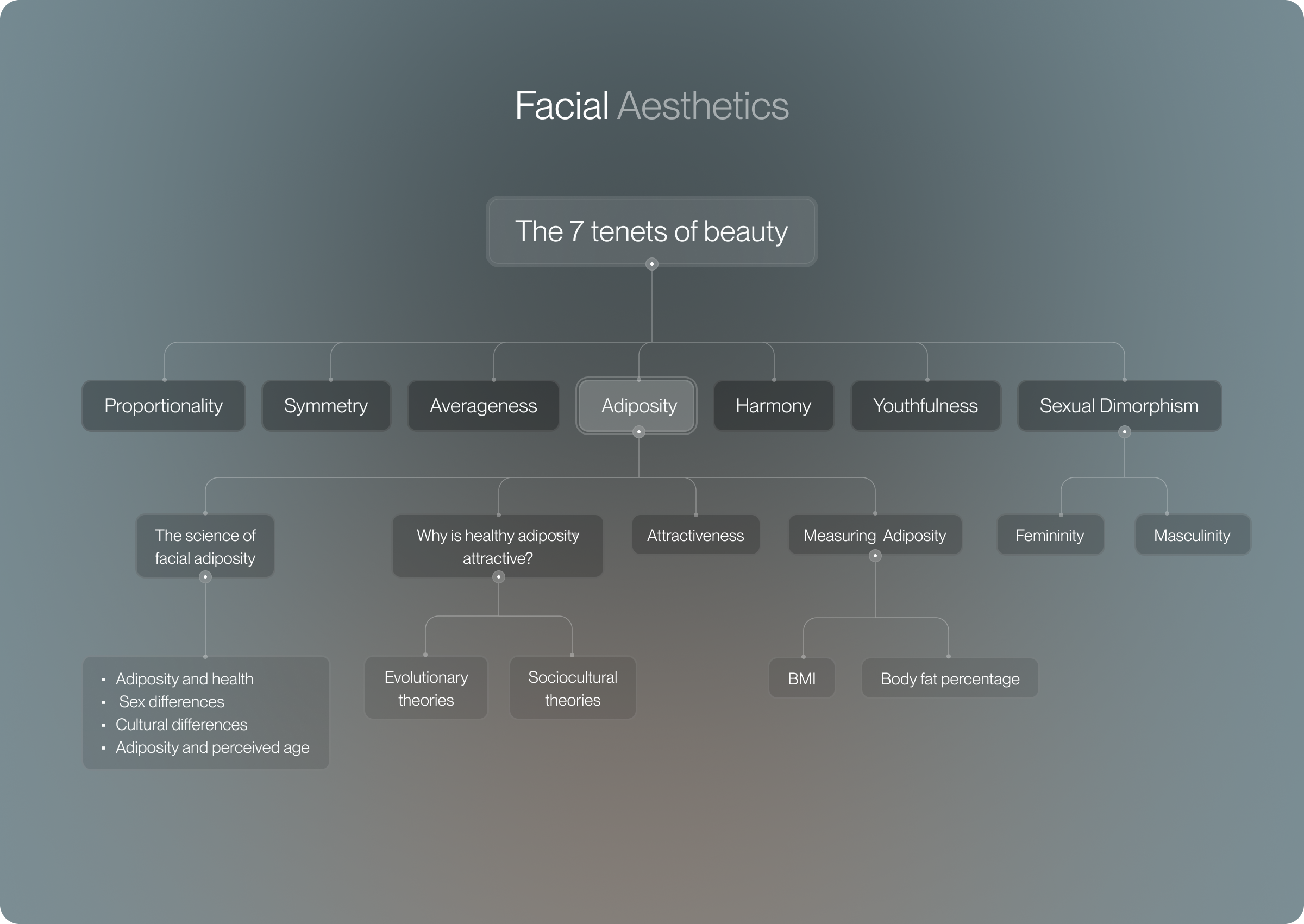
In the fundamentals of beauty series, we cover the key foundations of facial aesthetics: averageness, symmetry, sexual dimorphism, neoteny, and adiposity. In this article, we will examine facial adiposity. The roadmap below shows how this article links to the other core tenets at a glance.
Abstract
This article examines facial adiposity (face fat) and its robust link to health and attractiveness in both men and women. Facial adiposity strongly correlates with Body Mass Index (BMI), reliably acting as a proxy to a person’s weight, body fat percentage, and health status. Changes in facial fat significantly shape facial characteristics; high adiposity creates a rounder, fuller face, while low adiposity results in a more angular, sharper look. Research indicates that faces corresponding to a healthy BMI are generally found most attractive. This preference is likely rooted in evolutionary psychology, as humans evolved to like facial cues which signal robust fitness. For men and women, facial adiposity has been associated with a wide range of biomarkers, from cardiovascular health to immunocompetence. Socio-cultural factors also play an important role, particularly impacting women's ideals; some studies suggest a cultural preference for unhealthily low facial fat in female ratings. The link between facial fat and perceived age is complex: high adiposity can make younger people look older, but can make older people look youthful due to volume restoration.
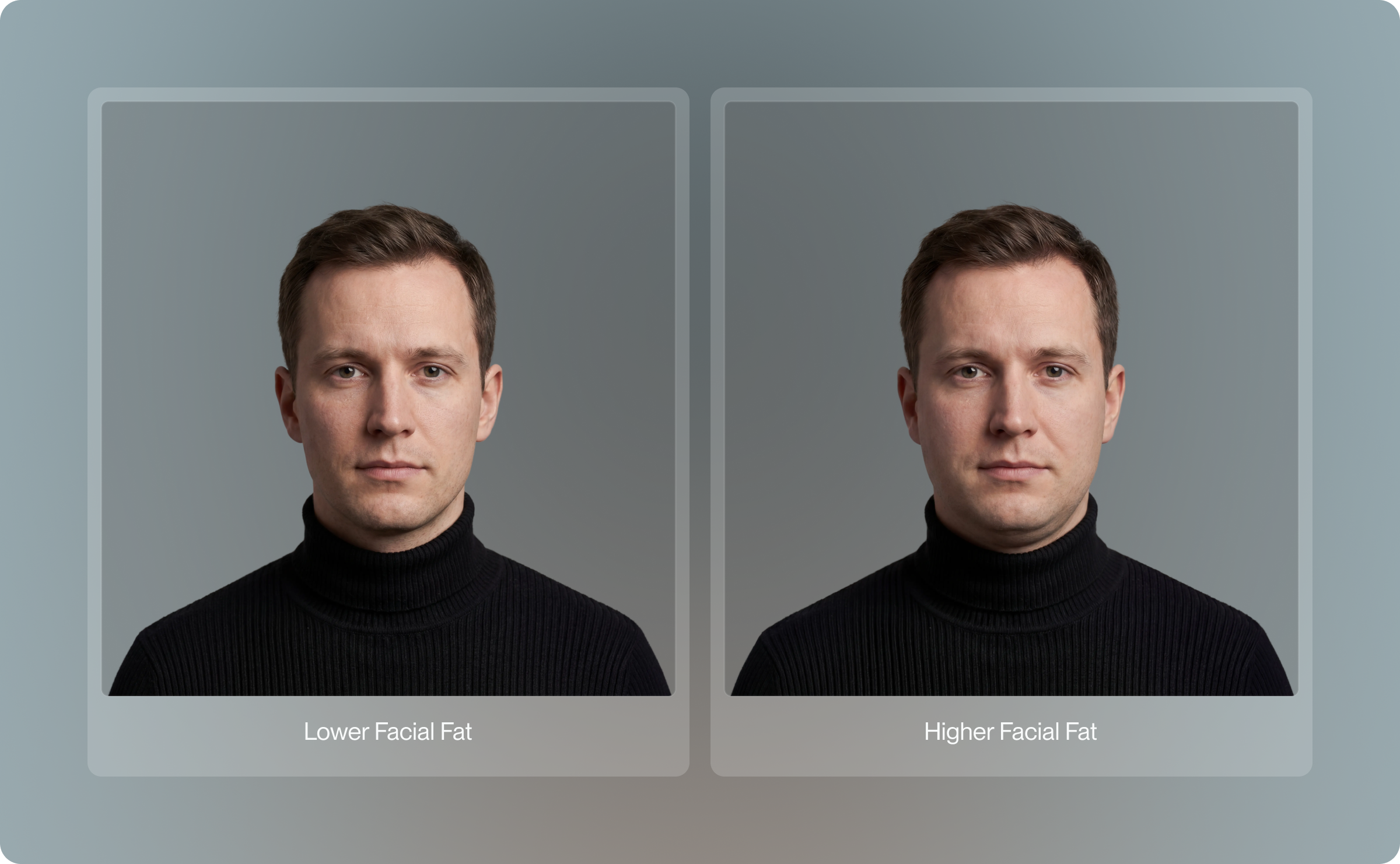
Figure 1.
QOVES Opinion
At QOVES, we consider facial adiposity as a fundamental aspect of facial attractiveness for men and women alike. Because it impacts multiple facial characteristics, it is likely a great starting point for anyone looking to improve their appearance. Our takeaway is simple: aim for a healthy BMI and body fat percentage, maybe in the lower ranges, as this will maximise both fitness and attractiveness. Be cautious of very fast and extreme fluctuations in body weight, as these can negatively impact facial attractiveness by increasing perceived age.
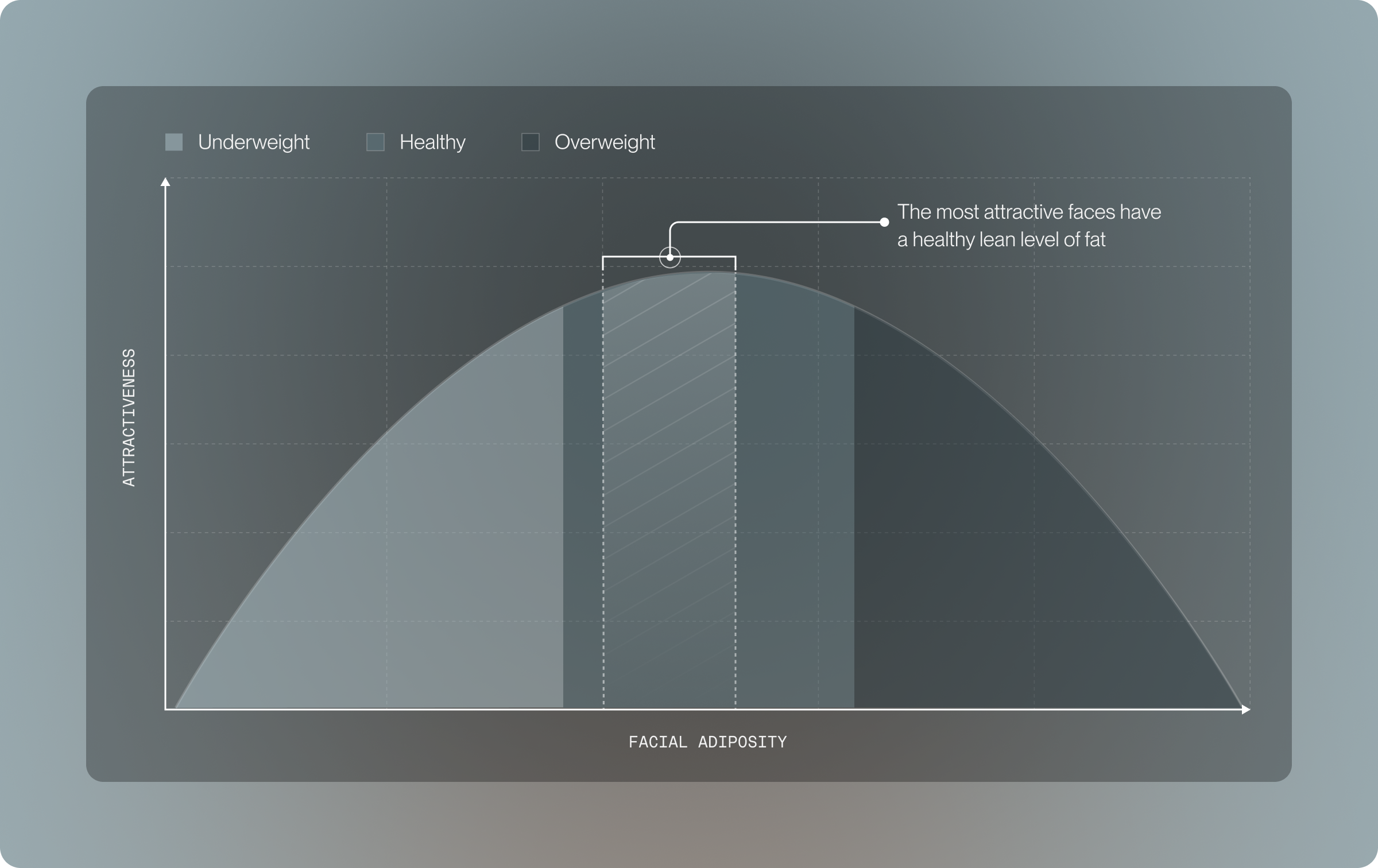
Figure 2.
What is Facial Adiposity?
Adiposity is a formal term for the accumulation or expansion of body fat. In simple terms, it refers to the “degree of fatness”. It should not be confused with obesity, which refers to a state of excessive amount of body fat which is linked to negative health outcomes. In this sense, facial adiposity simply means the quantity of fat (adipose tissue) in the face.
How is Adiposity Measured?
Body Mass Index (BMI).
Adiposity is most commonly measured using a Body Mass Index (BMI), a quick estimate of body fat, although not the most accurate.
It involves a simple calculation that divides weight in kilograms by height in meters squared, essentially reflecting how heavy someone is for their height.
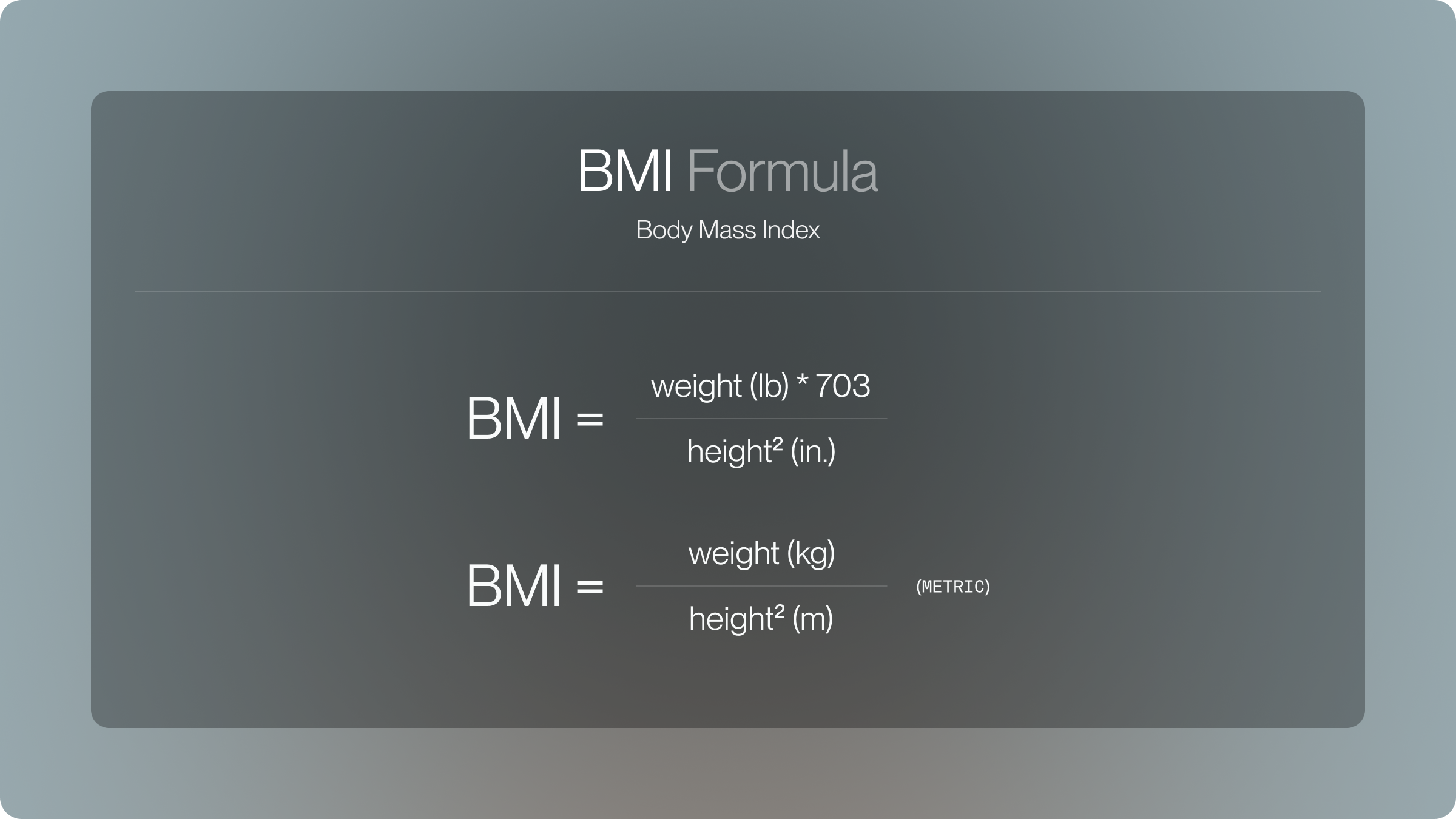
Figure 3.
This is a widely used measurement that anyone who knows their height and weight can get to assess their weight is use as a rough proxy for body fat. According to the World Health Organisation, the BMI categories for adults (20+) are as follows:
- Underweight: < 18.5
- Healthy: 18.5–24.9
- Overweight: 25–29.9
- Obese: ≥ 30
You can use the chart below as a screening tool to calculate your own BMI.
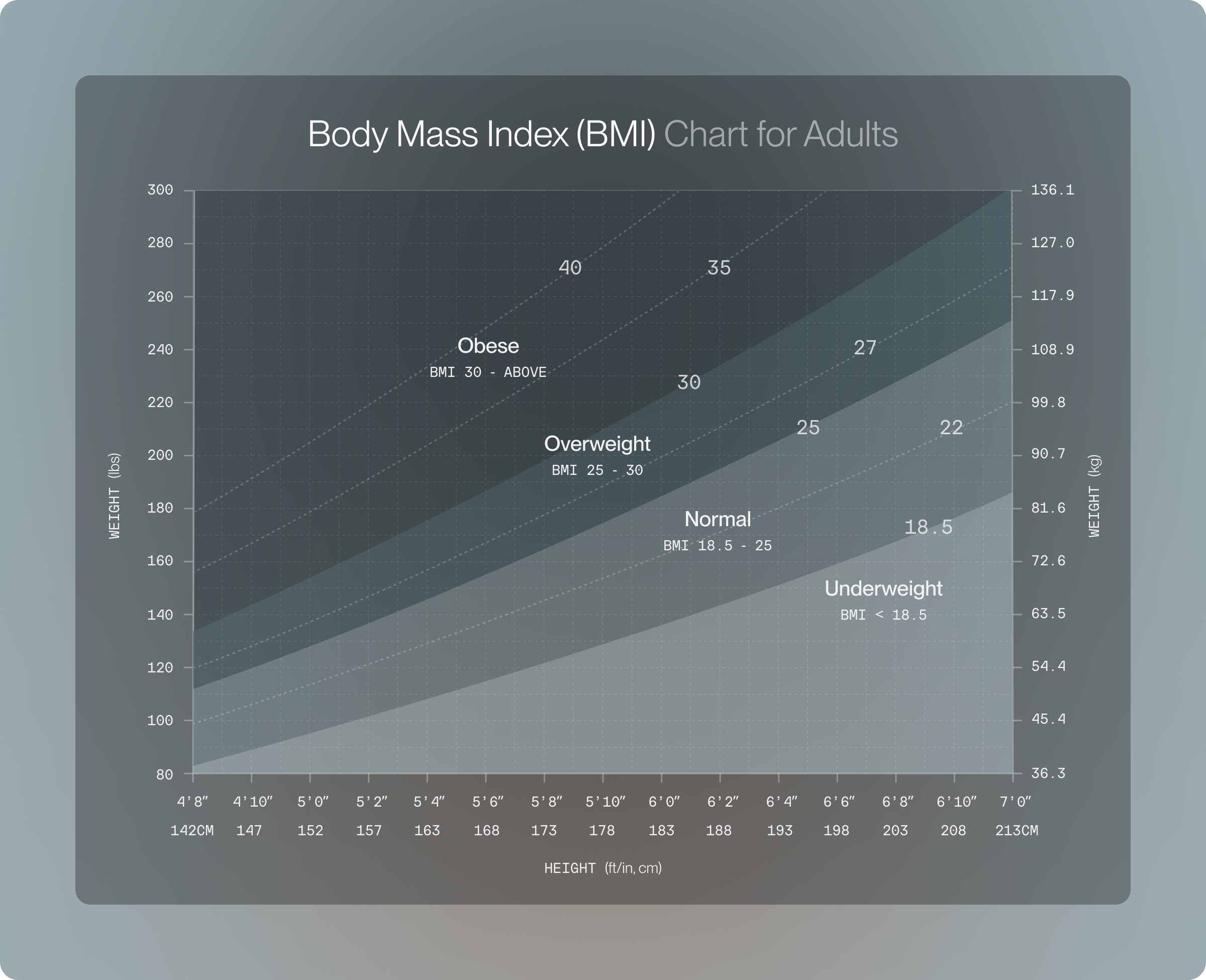
Figure 4.
Of note, BMI does not capture what your weight is made of, so it can not distinguish between fat or muscle, and neither does it measure fat distribution. However, it provides a useful estimate as highe BMI usually means higher average body fat and it is therefore used in public health statistics, clinical screening, and research.
Waist circumference and Waist-hip ratio (WHR).
This method involves using tape to measure the waist and hip circumference, and it is useful for estimating abdominal/visceral fat. A higher ratio is linked to increased health risks1.
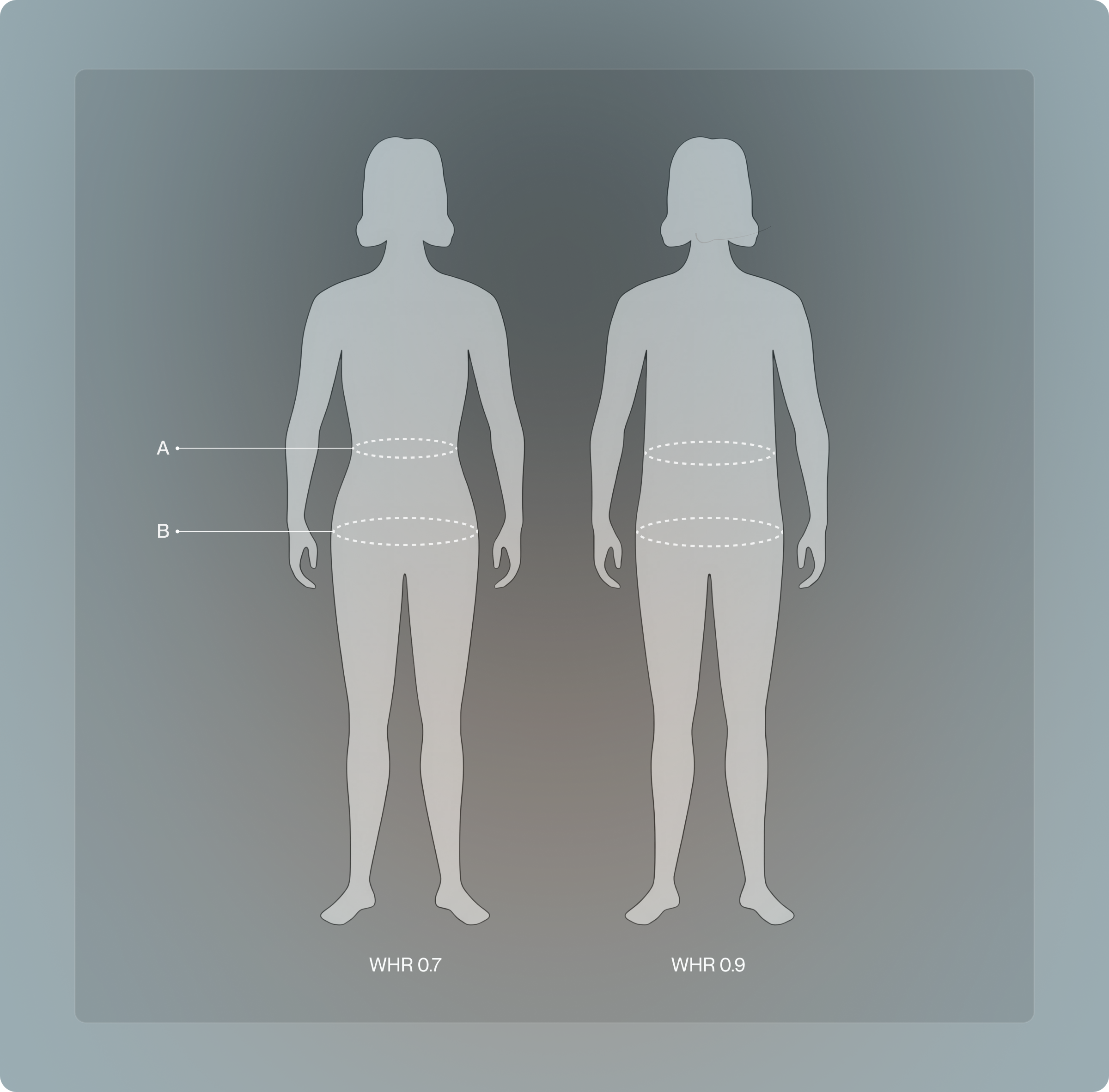
Figure 5.
Skinfold thickness.
This cheap method involves using callipers to measure mm of fat at several body sites such as the abdomen, triceps, thigh, etc. These measurements are then plugged into equations to estimate the percentage of body fat.
Dual-energy X-ray Absorptiometry (DXA).
A more advanced and clinical-grade methodology that uses low-energy X-rays to differentiate between bone mass, lean tissue, and fat mass. It’s considered a very accurate estimate and sometimes used in research, too. It provides a measurement of regional and total body fat.
How Does Facial Fat Change the Face?
Higher overall body fat or BMI typically produces a rounder, fuller facial shape, whereas lower fat percentages give a more angular, sharper appearance2.
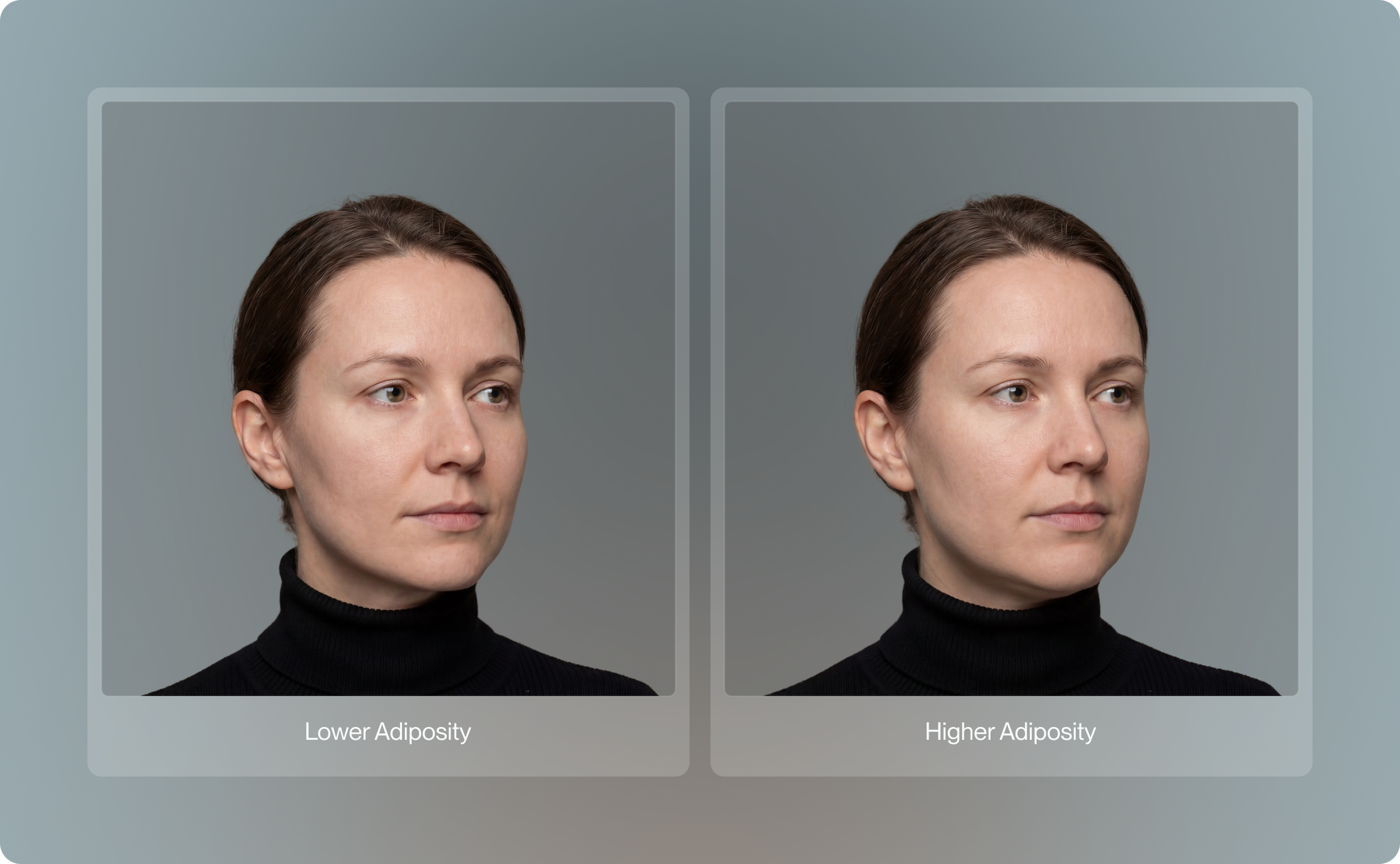
Figure 6.
Overall face shape.
More facial adiposity creates wider, rounder, and more convex faces. On the other hand, faces with less adipose tissue look longer, narrower, and more angular, with a more visible bone structure2–4.
Cheeks & midface volume.
Weight gain “inflates” the cheek fat pads, smoothing the midface and reducing shadows. Weight loss makes the mid-cheek look more hollow; midface fat is the region that loses the most volume5,6. Extreme or very rapid weight loss can create a gaunt midface appearance.
Jawline, chin & neck.
Higher facial fat softens the jawline, adds submental fat and blurs the neck–jaw angle, sometimes producing what we know as a “double chin”. Fat loss reveals the mandibular border and angles, improving the side profile. Severe weight loss, however, can actually leave loose skin or jowls4–6.
Nasolabial folds (“smile lines”).
Big and fast changes in facial fat deepen these lines. Fat gain increases cheek fullness and roundness, which can push the skin and tissue outwards, making the fold more noticeable by accentuating the natural boundary between the cheek and mouth area. Significant or rapid weight loss makes nasiolabial folds more pronounced, as the rissues of the cheek lose underlying support, making the crease more visible5,6.
In some cases, a very moderate fat gain may actually plump the area and make the folds slightly softer, but significant weight gain will almost always lead to increased folds.
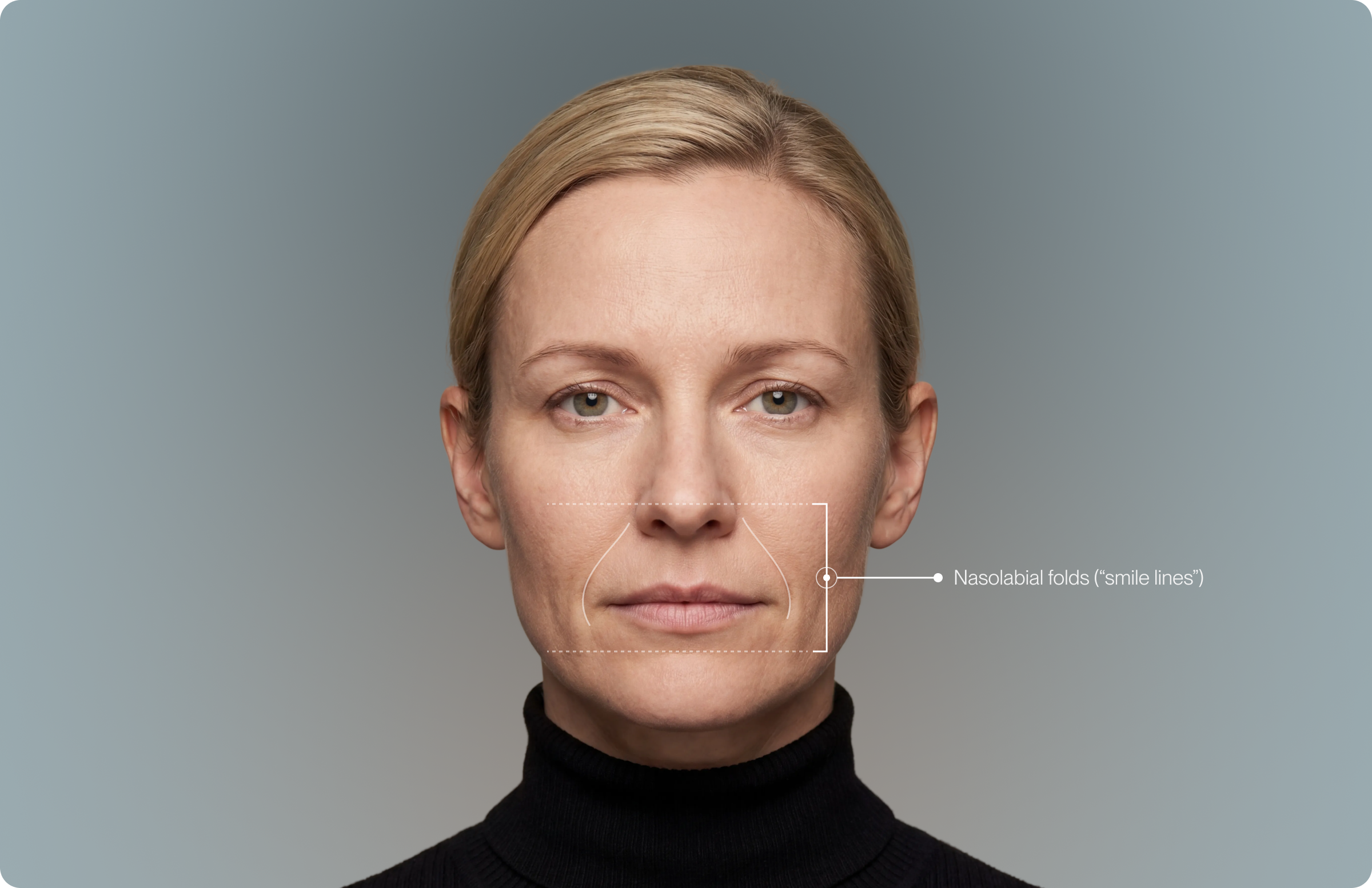
Figure 7.
Eye region & brows.
Higher adiposity creates the appearance of smaller-looking eye openings and slightly lower brows. With lower facial adiposity, the eyes look larger and more prominent, but under-eye hollows become more visible3.
Mouth & lips.
Higher facial fat (leading to fuller cheeks and a wider lower face) tends to make the lips look proportionally thinner and less prominent, as the surrounding tissues are bulkier. With lower facial fat, the lips can look relatively fuller, simply because the face is narrower and more angular3,4.

Figure 8.
How Does Facial Fat Affect Attractiveness?
A large number of research studies show that facial adiposity is a strong predictor of facial attractiveness. In general, there seems to be an optimal range of facial adiposity that is found to be more attractive compared to very high or low levels of facial fat. A good way to think about this is that people generally favour faces that correspond to a healthy body weight, neither obese nor gaunt. Re and colleagues7 actually quantified how much weight change is needed before it actually shifts facial-attractiveness ratings. Observers could detect BMI differences as small as ~1.33 kg/m², but they only judged faces as meaningfully more or less attractive once BMI changed by roughly 2.38 kg/m² in women and 2.59 kg/m² in men7. Crudely put, small changes in facial adiposity are visible, but there seems to be a threshold before increased leanness translates into increased attractiveness.
Two key points should be acknowledged to understand the science of facial adiposity and attractiveness:
- Humans can reliably estimate BMI and body fat from faces
People can accurately estimate how fat or heavy someone is just by looking at their faces. A highly influential review of this topic by De Jager and colleagues in 2018 found a 0.71 (where 1.0 is a perfect correlation) association between estimated BMI based on faces and actual BMI2. What this means is that the face acts as a reliable sign of someone’s body weight and adiposity.
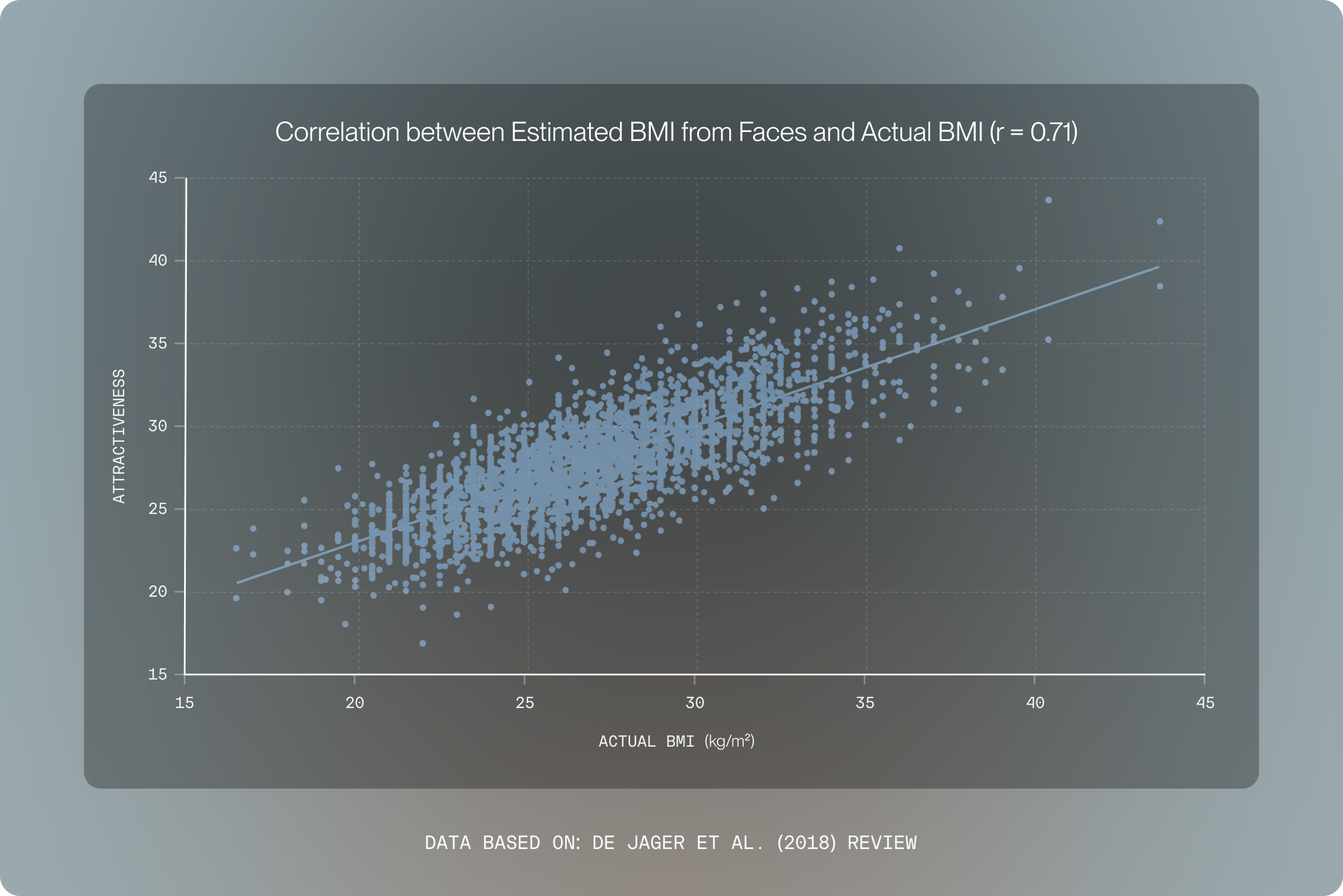
Figure 9.
- There is a strong relationship between facial adiposity and health
Facial adiposity is, of course, strongly correlated to BMI, which in turn is related to several health risks. Across multiple studies, facial adiposity stands out because it consistently correlates with both perceived health8–10 and actual health outcomes2, 11, 12-We dedicate a separate section of this article to the relationship betweenfacial adiposity and health.
Researchers are particularly interested in facial cues that shape attractiveness and mate choice, because these are thought to tell us something important about evolutionary psychology. In other words, scientists have long tried to understand why humans would’ve evolved to find certain things attractive in a potential mate. One plausible explanation is that attractive facial features are linked to various health markers. In this view, humans would have adapted to learn and identify faces that signalled robust health, and therefore suitability for mating.
We explore evolutionary, but also social and cultural perspectives surrounding facial attractiveness and adiposity in Why is Healthy Adiposity Attractive?
Facial adiposity looks different for everyone.
It's important to remember that both gaining and losing facial adiposity will have different results across individuals, as everyone has distinct bone structures and facial fat reserves.
Benefits of Healthy Facial Adiposity
The Health Upgrade.
Healthy facial adiposity not only signals health, it also reflects real improvements in your biology. Facial fat tracks overall adiposity closely and BMI closely, which means that moving your face from an overweight/underweight look towards a healthy range almost always means that total body fat has come down as well2.
Research shows that higher-adiposity faces are linked to increased blood pressure, worse cardiovascular-illness scores, and more frequent respiratory infections. Faces with moderate, healthy adiposity are consistently ranked as both healthier and more attractive.
In practice, the same habits that enhance your facial aesthetics by bringing your face into a healthy facial adiposity range are the ones that directly improve your metabolic health and long-term disease risk, not just how you look.

Figure 10.
The Sculpting Effect.
A reduction or increase to a healthy, lean level of facial adiposity tends to unmask underlying facial structure. As excess facial fat is reduced, sexually dimorphic features (e.g., a strong male jawline or a feminine cheekbones) become more visible, facial proportions often move closer to population averages, and age-related heaviness in the lower face decreases, enhancing perceived youthfulness.
In this sense, adiposity acts as visual noise: lowering it within a healthy range reveals the underlying structures of the face and indirectly boosts multiple established beauty dimensions at once (symmetry, averageness, sexual dimorphism, youthfulness), even if your actual bone structure has not changed. Studies manipulating weight along a BMI continuum show that relatively small changes in adiposity can visibly alter facial width, jaw definition, eye prominence, and midface contour2.

Figure 11.
The Halo Effect (’What is Beautiful is Good’).
Once facial adiposity moves into a range that enhances attractiveness and health cues, it doesn’t just change how you look, it actually changes how people judge you across the board.
The Halo Effect, first described by Edward Thorndike in 192013, refers to the tendency for one positive characteristic (e.g., physical attractiveness) to spill over into broader judgements of personality and ability. Classic work by Dion, Berscheid, and Walster (“What is beautiful is good”)14 and a large meta-analysis by Gulati and colleagues15 show that attractive individuals are consistently rated as more sociable, intelligent, emotionally stable, and competent, even when objective evidence is identical.
In other words, when facial adiposity is optimised, and your face looks healthier and more proportionate, observers don’t just see “a nicer face”, they spontaneously infer a better person: more capable, more trustworthy, more likeable14–17.

Figure 12.
The Self-Esteem Multiplier.
Improving facial aesthetics via a lean, healthy level of adiposity can elevate self-esteem, which is a strong predictor of life satisfaction, social confidence, and resilience18. The Self-Esteem Multiplier highlights how improved facial aesthetics impact self-evaluations. People who are more satisfied with their appearance tend to report higher self-esteem, and longitudinal data show that self-esteem predicts many positive outcomes, including better mental health, improved resilience, stronger interpersonal relationships, and overall higher life satisfaction18–20.
The Leadership Look.
Faces with lower facial adiposity (within a healthy range) are often judged as more fit for leadership. In Re and Perrett’s 2014 experiments, participants adjusted face images along a facial-adiposity continuum to optimise either attractiveness or perceived leadership ability21. They consistently reduced facial adiposity from the original to boost both, although the adiposity level that maximised leadership was slightly higher than the level that maximised pure attractiveness. The pattern is intuitive, as leaner faces can suggest discipline, fitness, and self-control.
The Youthful Dividend.
Regarding age-perception and youthfulness, facial adiposity behaves like a reserve you can draw on over time. Perceived youthfulness is, on its own, another key pillar of facial aesthetics.
- In youth and early adulthood, excess facial fat tends to make you look older, especially by adding heaviness to the lower face and softening definition22.
- In later adulthood, a drastic loss of facial fat (through illness, aggressive dieting, or bariatric surgery) can paradoxically age you more by emptying the midface and increasing skin laxity5, 22.
In practice, the best strategy is to aim for healthy, sustainable leanness, rather than drastic fluctuations, very aggressive dieting or extremely low body fat, especially as you move into your 40s and beyond. Moderate facial adiposity can act as a reserve of softness and volume that keeps the face from looking hollow or ill as you age or lose weight.
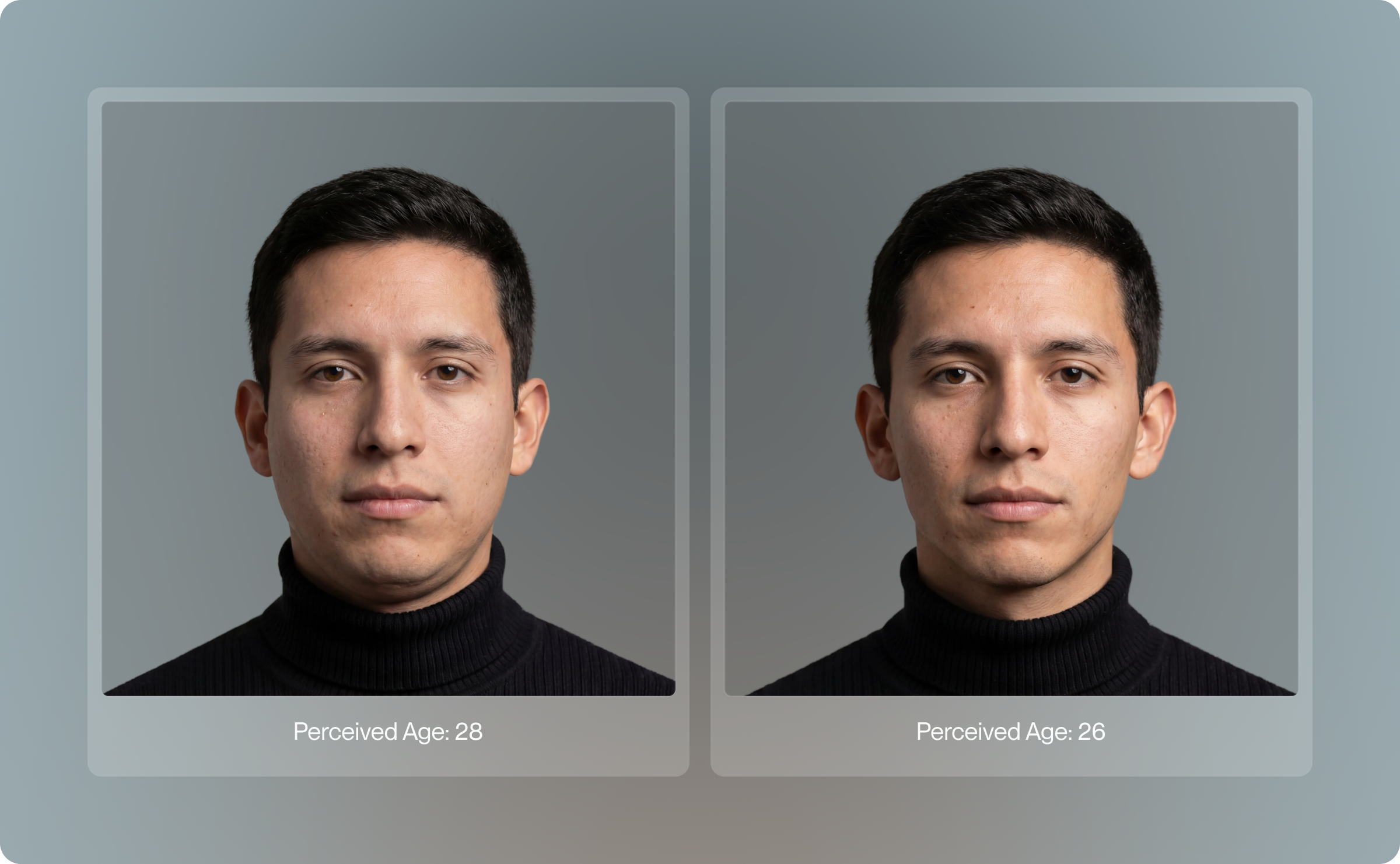
Figure 13.
The Professional Advantage.
In many professional contexts, a lean level of facial adiposity will signal both youthfulness and health, which are implicitly associated with energy, learning potential, and adaptability. Experimental hiring studies where only facial age cues are manipulated (the CV is identical) show that older-looking candidates are rated as less fit and less hireable for demanding or client-facing roles, and younger-looking candidates with the same qualifications are judged as a better fit, largely because they are assumed to be physically and cognitively “fresher”23.
Meta-analytic work on physical attractiveness in job settings similarly finds that more attractive individuals enjoy better hiring outcomes, performance ratings, and salaries on average24, 25. Because healthy facial adiposity generally makes the face look both younger and more attractive, it indirectly plugs into this professional advantage.
The Stigma Shield.
Finally, healthy facial adiposity can act as a “stigma shield” against some forms of weight-based prejudice. Humans are surprisingly good at inferring someone’s weight category from facial cues alone, and a growing literature documents that higher-weight individuals experience weight stigma in education, employment, healthcare, and everyday social interactions26.
Maintaining facial adiposity within a healthy range reduces the exposure to some of these biases. That does not mean such biases are justified, and they should be consistently challenged. However, they are currently real in many environments and achieving a healthy BMI, if possible, can reduce the amount of unfair treatment.
Why is Healthy Adiposity Attractive?
Evolutionary Theory
Evolutionary psychology states that attractiveness preferences evolved because those who selected mates based on those traits acquired selective benefits11, 27. Influential anthropologist Donald Symons states that standards of human beauty are not arbitrary cultural inventions; instead, they reflect psychological adaptations shaped by sexual selection to detect reproductive value and mate quality28. In simple terms, what we find attractive is linked to traits that increase our chance of reproduction.
In her book, “Survival of the Prettiest”, cognitive scientist and Harvard professor Nancy Etcoff makes a similar argument: our appreciation and pursuit of beauty are hard-wired in the human brain, developed through evolution as a survival mechanism29. Facial adiposity, strongly linked to both health and attractiveness, appears to be central to these theories.

Figure 14.
Male Beauty: Immunocompetence Hypothesis.
This is a highly discussed hypothesis in evolutionary theory, and it states that females find certain male characteristics attractive because they signal the status of a potential partner’s parasite burden and resistance. In simple terms, this hypothesis argues that attractive male characteristics are linked to genetic quality and robust health.
Masculinity is commonly assumed to signal genetic quality, but women do not consistently prefer masculine-looking men, and masculinity is not consistently related to health in studies. Instead, research suggests that facial adiposity is a better indicator of genetic quality and health, which could explain its importance in male attractiveness.
A study by Rantala and colleagues11 found that adiposity significantly mediates the relationship between immune response and facial attractiveness. Specifically, the authors studied antibody production following a Hepatitis B vaccination (immune response) and testosterone levels. The results showed that adiposity was closely associated with facial attractiveness, antibody response, and testosterone levels (more so than masculinity). The chart below shows the mediating role of facial adiposity.
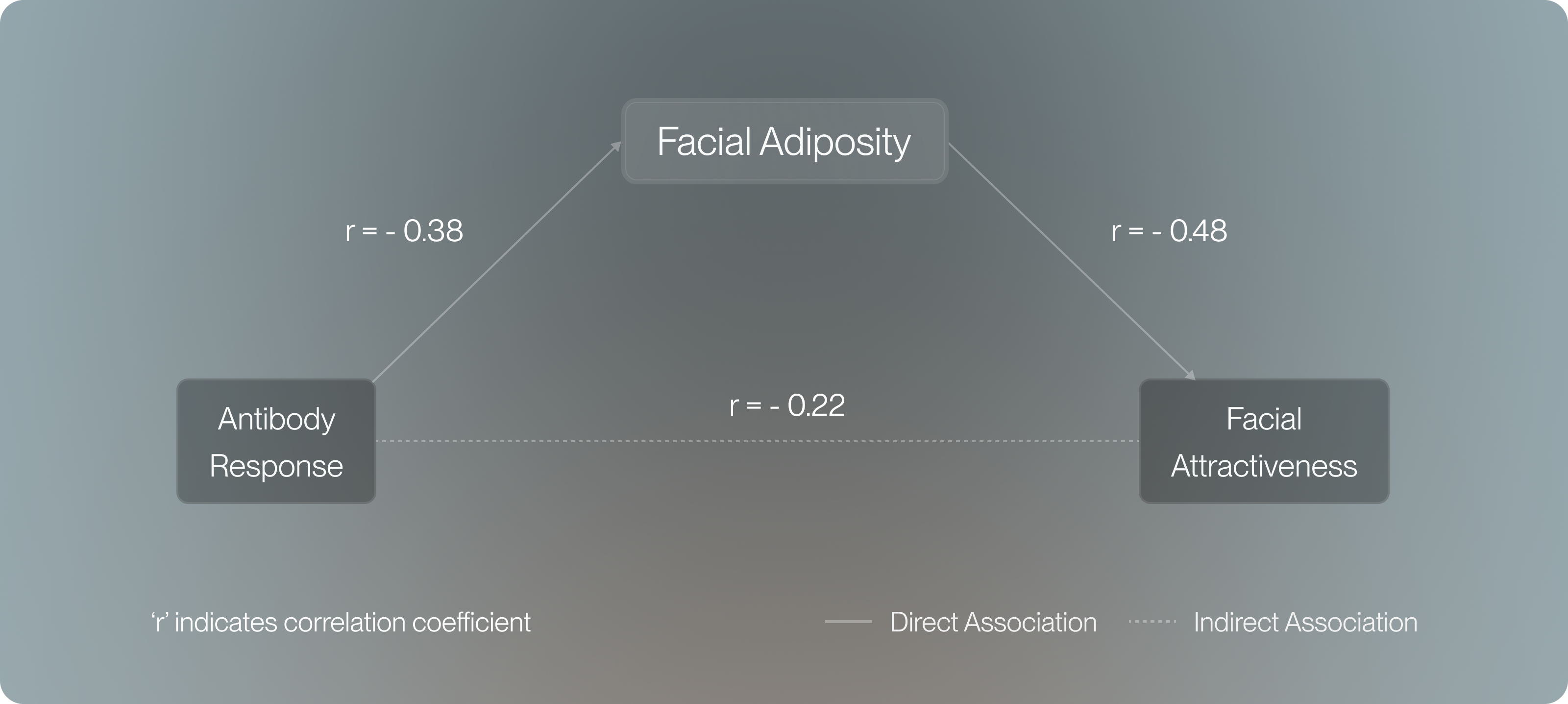
Figure 15.
What this means is that the link between antibody response and facial adiposity explains why women found faces with healthy levels of facial adiposity more attractive. In other words, low facial adiposity is a reliable visual cue, indicating that a male is able to effectively allocate resources to the immune system.
This is consistent with endocrinology research showing that circulating testosterone levels are significantly correlated with adiposity in men: those with higher testosterone tend to have lower adiposity8, 11, 12. This pattern aligns with the immunocompetence handicap hypothesis30, which proposes that testosterone suppresses immune function, such that only men with relatively high genetic or immunological quality can afford to maintain high testosterone, low adiposity, and good health.
Female Beauty: The Fertility Hypothesis.
In women, the signalling system operates in a very different way, and it has been associated with overall long-term health and fertility rather than immunocompetence.
In stark contrast to male research, studies that examined female attractiveness directly against measures of immune response found to significant association11, 27. Nevertheless, there are strong links between facial adiposity and other biomarkers in women. Cardiovascular health, immunity (to colds and flu’s), progesterone levels -linked to fertility-, and mental health outcomes have all been associated with facial adiposity8, 12. Overall, facial adiposity in women does signal aspects of health, and it may be read as a cue of overall health and fertility. However, it’s worth noting that femininity is a stronger predictor of both perceived health and attractiveness in females.
Evolutionary perspectives, therefore, provide a solid foundation for understanding the appeal of (lower) facial adiposity in both men and women. Indeed, there seems to be a range (often a healthy range) of facial fat that is considered most attractive. But this does not explain variation within this range, or why some people may actually prefer unhealthy levels of facial adiposity. To get a more complete picture of what we find attractive, we need to turn to social and cultural explanations of beauty preferences.
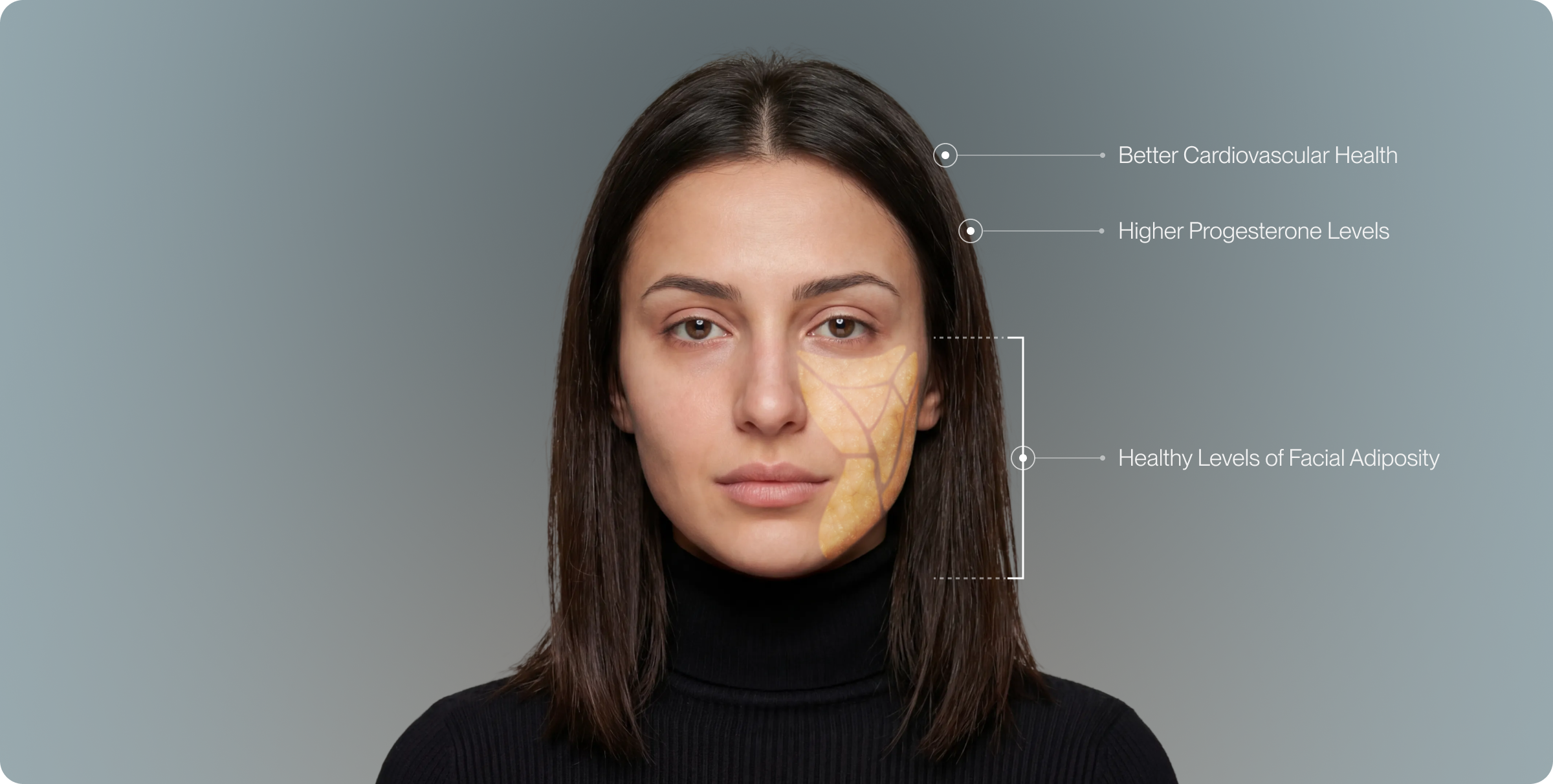
Figure 16.
Socio-Cultural
The core relationship between facial adiposity and attractiveness is rooted in evolutionary strategy and biological necessity. After all, the links between facial adiposity and health make it a reliable biomarker, with valuable information about a potential mate’s fitness. However, what people consider to be the most attractive, or the ideal level of facial adiposity, appears to be sensitive to environmental and socio-cultural factors.
The Thin Ideal.
It is undeniable that women face a pervasive pressure to achieve thin bodies, particularly in the West. From magazines, billboards, and social media, women who are portrayed as highly desirable and attractive are almost exclusively thin. Some might argue that the media simply reflects our innate preferences, acting as a mirror of our evolutionary perceptions of beauty. However, research suggests the opposite.
A highly influential paper by Coetzee and co-authors9 showed that females cognitively decouple health and attractiveness when assessing female beauty. In a rating study, researchers found that women preferred significantly lower levels of facial adiposity for attractiveness than the level they identified as the most healthy. This effect was completely absent in male ratings, where health and attractiveness ideals align neatly. In other words, Coetzee and colleagues showed that, for women, the aesthetic ideal was below the physiologically optimal face9. This shows an effect not explained by a preference for health (like evolutionary theory would predict) and likely reflects a culturally conditioned preference for more drastic leanness.
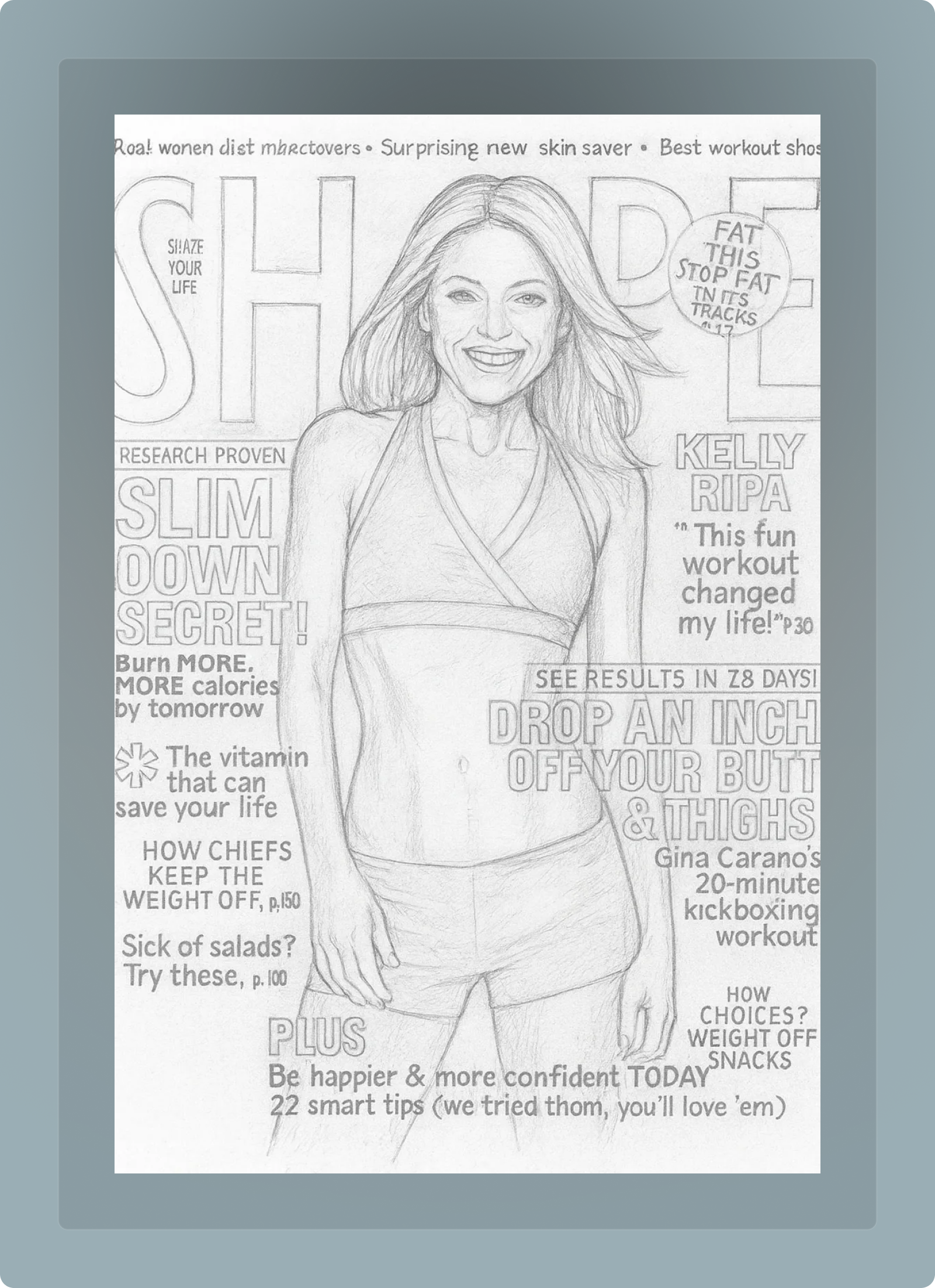
Figure 16.
This study is aligned with a plethora of both theoretical and experimental accounts linking cultural and media exposure to preferences for thinness or lower adiposity. For instance, a cross-cultural study involving more than 1134 women across five Arab countries found that women frequently exposed to mass media (especially magazines) were more likely to engage in diets and to adopt thinner ideal body shapes31. An in-depth discussion of the sociocultural effects of media is beyond the scope of this article; however, it is clear that they play a significant role in shaping perceptions of ideal adiposity in females.
Another worrying set of results comes from a study in a South African sample. The authors found a negative linear correlation (rather than curvilinear) between facial adiposity and attractiveness in female faces. The issue is that 20% of the faces shown portrayed underweight women, meaning that there was a preference for underweight faces over healthy ones. These results partially contradict the evolutionary hypothesis, which would predict the healthiest faces to be the most attractive. The authors attribute their results to the fact that their sample was made up of young adults (Mean = 20 years) in a University, who are heavily exposed to Western ideals and media.
These results highlight the importance of setting realistic and healthy standards in media, which are actually more aligned with our evolutionary wiring, which favours health and fitness.
Nuances
Facial Adiposity and Health
So far, we have repeatedly mentioned that there are strong links between facial adiposity and health, which largely explain its influence on attractiveness perceptions. But what are these links exactly? To what extent is facial fat actually a reliable biomarker? Below, we summarise the available evidence on objective health metrics that have been associated with facial adiposity.
Cardiovascular Health.
Reither and colleagues32 examined over 3000 yearbook photographs of teenagers, which were part of a large longitudinal study which, amongst other things, captured basic health data from 1957 to 2004. The researchers found that facial adiposity in the teenagers was correlated with high blood pressure, heart trouble, and heart disease later in their lifespan32. In 2009, Coetzee and colleagues found an association between facial adiposity and systolic blood pressure, diastolic blood pressure, and a cardiovascular-illness component8.
Immunity.
Coetzee and co-authors8 also reported that higher levels of asiposity were correlated with an increase in the number of colds and flu’s participants reported, the length of those reported colds and flu’s, frequency of antibiotics use reported by participants, and a respiratory-illness component. Earlier in the article, we mentioned the influential paper by Rantala et al.11, which found an association between perceived facial adiposity in male faces and immune response, measured through antibody response to a Hepatitis B vaccination.
It’s worth noting that other measures of immunity have produced more inconclusive results. For instance, Phalane and colleagues found no association between facial adiposity and functional cytokine profile and C-reactive proteins in African men33. Foo and colleagues also found null relationships for bacterial killing capacity, bacterial immunity, and lysozyme activity34. Overall, there seems to be a link in males between facial fat and immunity, but clearly, more research is needed to better quantify this relationship.
Hormones.
As mentioned before, Tinlin and colleagues revealed a negative association between facial adiposity and progesterone levels (salivary), but no relationship with estradiol levels12. Their sample size was quite limited (49 participants), so results should be interpreted with caution. Rantala and co-authors linked facial adiposity with circulating testosterone in males, revealing a stronger correlation than with facial masculinity11.
Sex-differences
In general, the association between facial adiposity and attractiveness is not sex-specific. That is, facial fat impacts attractiveness ratings in both male and female faces. However, if we go into a bit more detail, we can find some differences between men and women in terms of how facial adiposity impacts their facial aesthetics.
Stronger Link to Male Beauty.
Adiposity seems to be a stronger predictor of facial male beauty than female beauty. For example, a study by Foo and colleagues found that, after accounting for other facial features, extra facial fat reduced attractiveness ratings roughly twice as strongly for male faces as for female faces in their sample34.
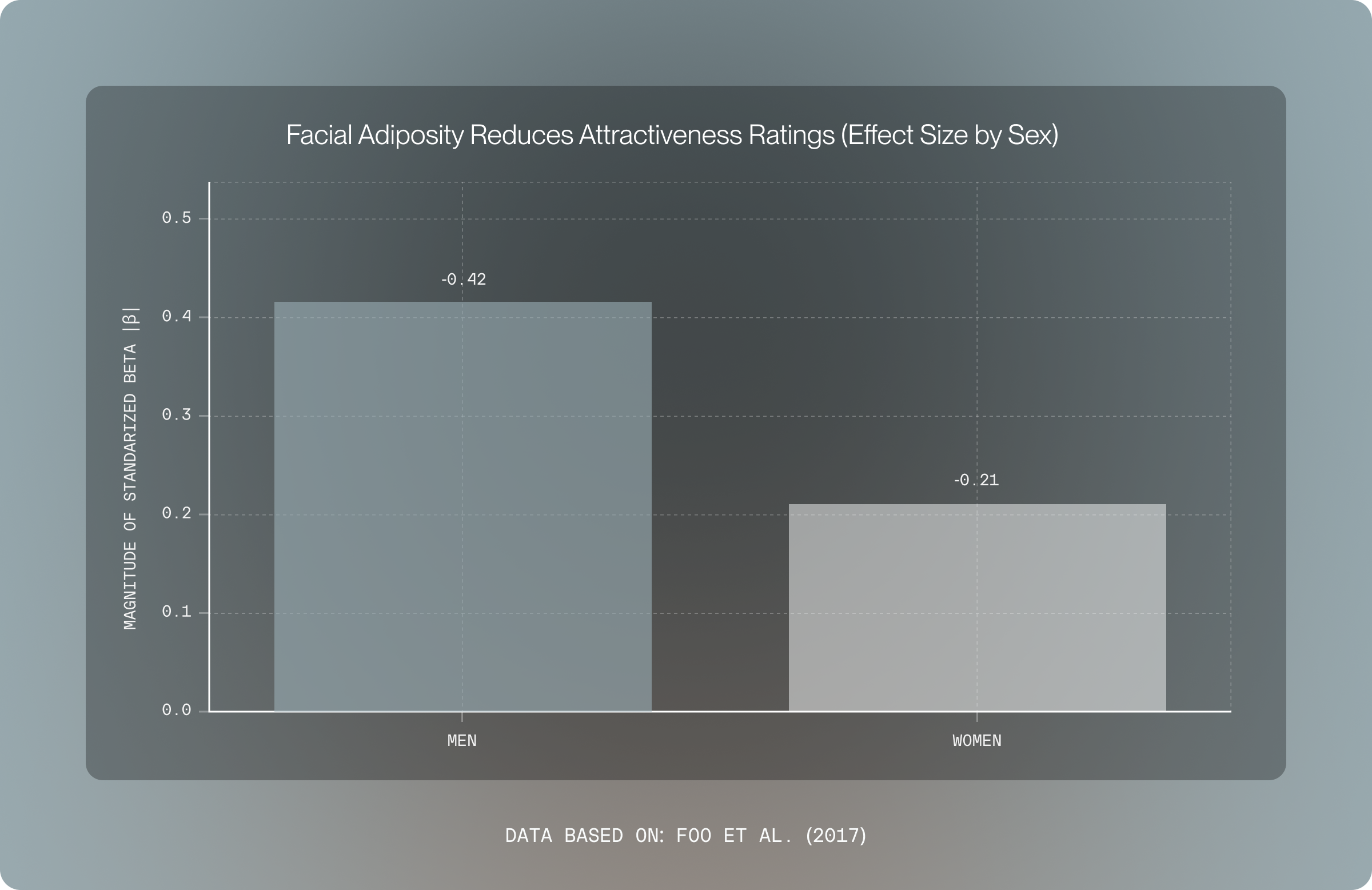
Figure 17.
To some, this may seem counterintuitive given the disproportionate societal pressures that women face regarding body and weight ideals. However, research shows that other facial features, like femininity, simply carry more weight for female beauty than facial adiposity. In other words, while body weight broadly may be judged more harshly in women, when it comes to facial attractiveness specifically, other female features dominate. Femininity is arguably one of the most important factors for female facial attractiveness, and it is a complex characteristic made up of multiple features. At QOVES, we provide not only a comprehensive assessment of feminine and masculine features, but an evidence-based protocol for enhancing them to your liking.
Facial Adiposity Ideal.
What people consider an ideal BMI for facial attractiveness is slightly different when rating male or female faces, and it also depends on the rater. The most attractive women’s faces correspond to a slightly lower BMI than the most attractive men’s faces, and female raters tend to prefer leaner (lower-fat) female faces than male raters. The chart below summarises this interaction.
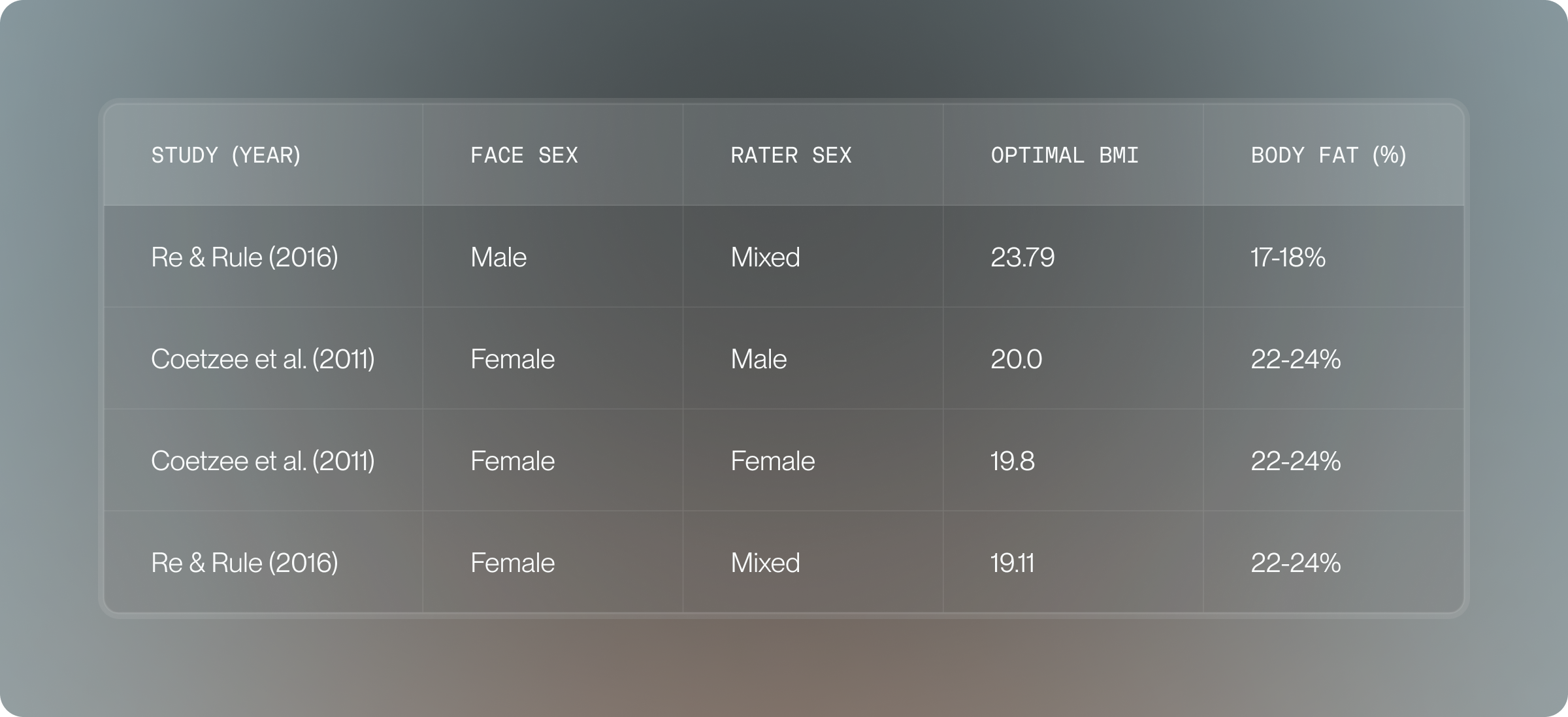
Table 1. A healthy BMI for most adults is between 18.5 and 24.9.
Although the research is usually reported in BMI units, most people think about leanness in terms of body fat percentage. We can roughly translate these “optimal” BMIs into body-fat percentages using standard prediction equations that link BMI, age, sex, and body fat35. For men in their early twenties, a BMI around 23–24 corresponds to roughly 17–18% body fat. However, a study by Rantala et al.11 found a 12% body fat to be the most attractive for males. For women of a similar age, the BMIs of around 19–20 translate to about 22–24% body fat. These conversions are only accurate to within about ±4 percentage points for any given person35, so they should be seen as ballpark, but they give a practical sense of what “healthy-looking” facial adiposity means.
The takeaway here is very straightforward: A healthy BMI and body fat percentage (admittedly in the lower end) was found to be most attractive in both males and females.
If facial adiposity is attractive because it signals health, why do preferences differ between men and women? There is no clear answer to this, but a couple of hypotheses come to mind. The first explanation is that, because muscularity is attractive in men, women prefer slightly bulkier faces with more muscle, fat, and an overall higher BMI. Secondly, as we discussed in more detail in The Thin Ideal “The Thin Ideal”, women find very lean faces (leaner than what they consider healthiest) the most attractive, likely a result of sociocultural norms in a contemporary context.
Facial Adiposity Across Cultures
Research studies have found some very interesting differences across cultures and populations when it comes to preferences for facial fat.
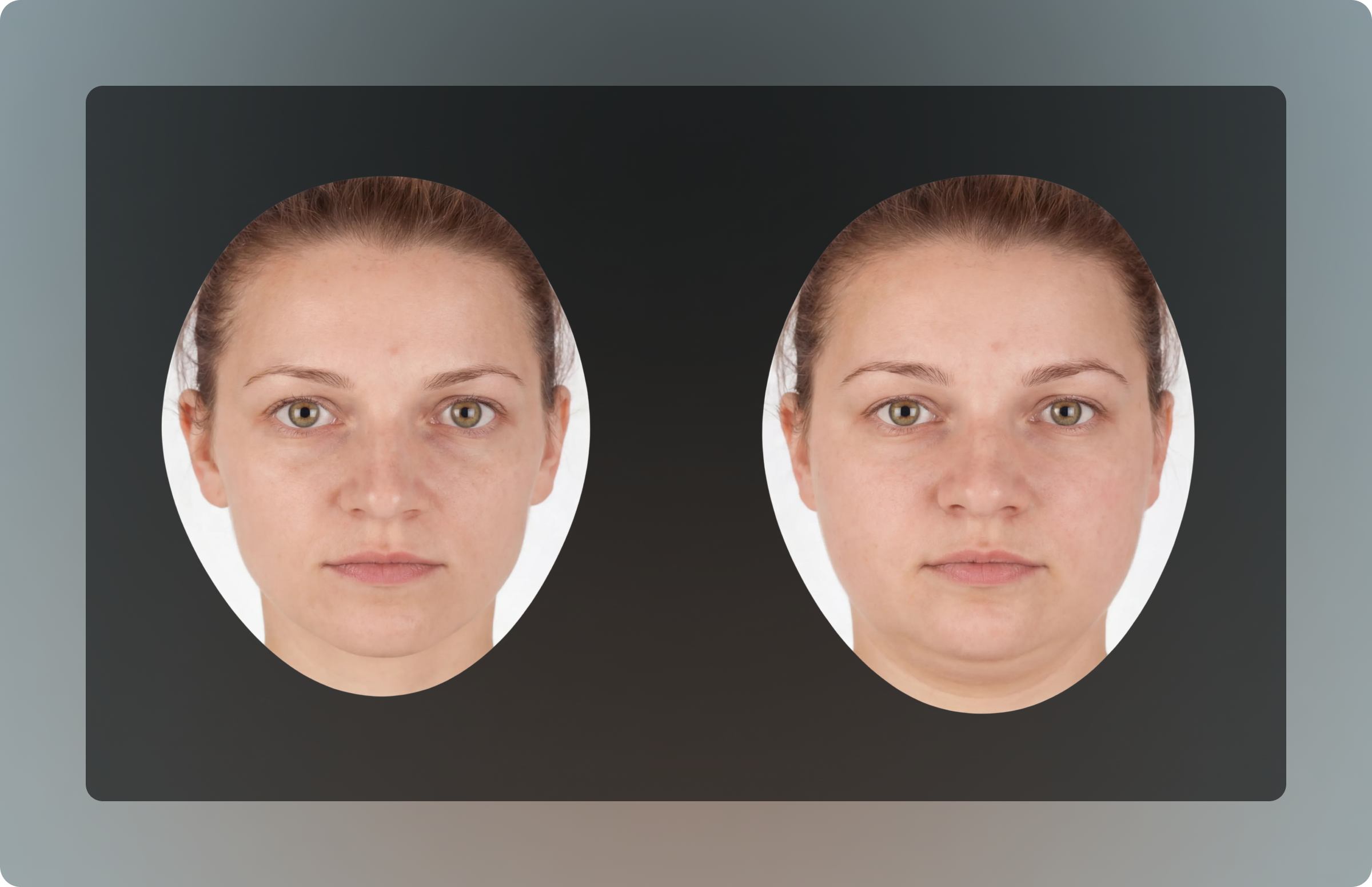
Figure 18. Example of Facial Stimuli, shape of the left face is decreased in BMI and the shape of the right face is increased in BMI.
As with most research, studies looking at facial adiposity and attractiveness were mostly conducted on Western samples in highly developed countries. In a 2014 study, researchers Batres and Perret decided to extend their research to a developing country, and they conducted field research in El Salvador, in samples with and without internet access36. Their results were telling: people without internet access preferred more women with higher adiposity than people with internet access.
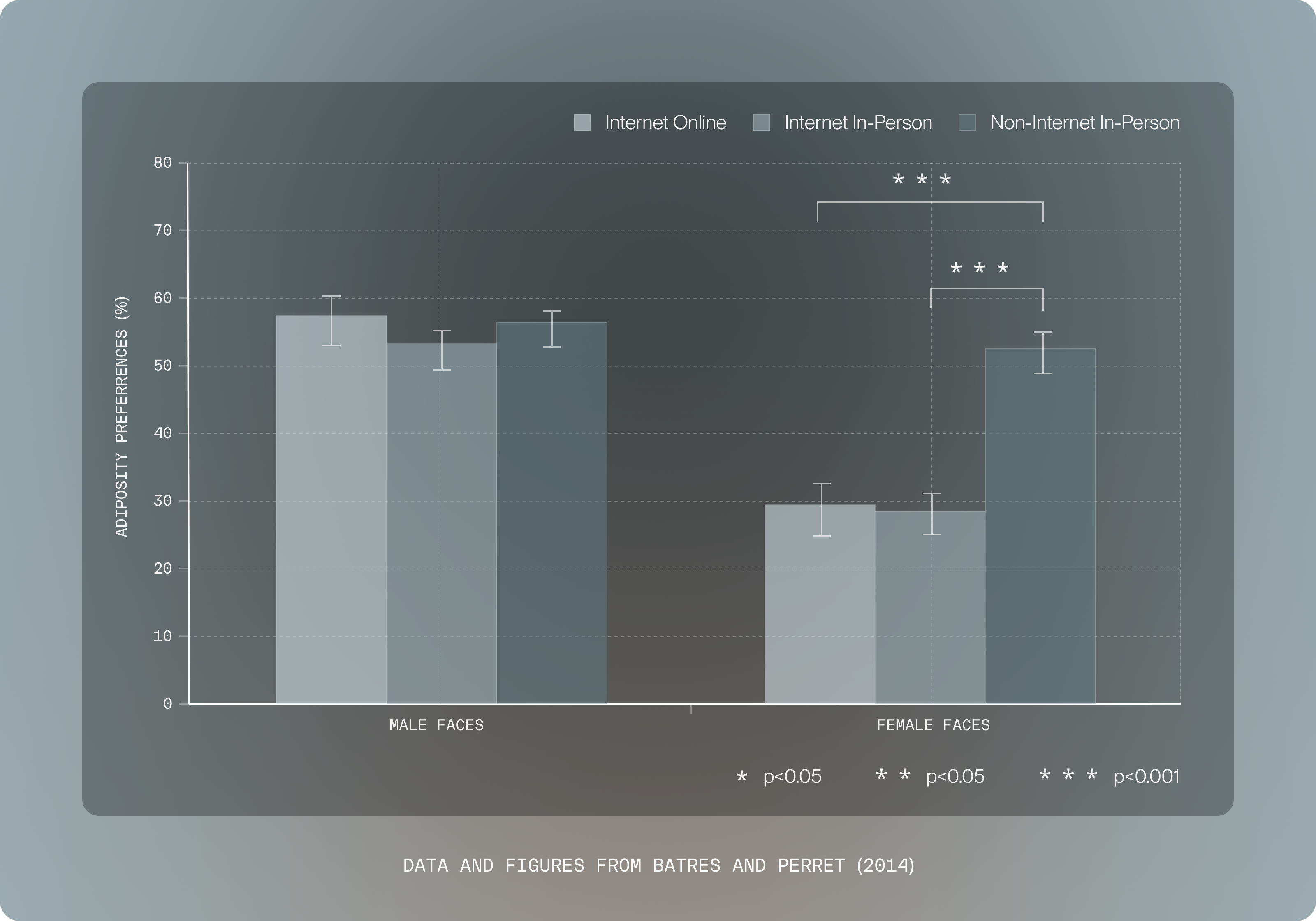
Figure 19.
Their results are consistent with other research across the world. In 2007, Swami and Tovée studied preferences for female bodies across Thailand, and they found that people from resource-poor areas of Thailand preferred higher BMI in female bodies compared to people from the more industrialised areas of the country37.
What’s outstanding in these results is that the difference in preferences for facial adiposity between developed and poorer areas was only found for female faces. One perspective argues that in poorer, harsher ecological environments, higher body fat percentages indicate access to resources, but this does not really explain why the effects are sex-asymmetric. After all, it is females especially who evolved to select mates with high access to resources28. Batres and Perret36 instead state that media exposure is driving this difference in preferences, as people with internet access and more resources experience greater exposure to female faces with lower adiposity and low BMIs.
Adiposity and Perceived Age
The relationship between facial adiposity and perceived age is one that interests many and at the same time, the available evidence on this association is somewhat limited5. A 2024 systematic review found that decreased facial adiposity following weight loss surgery (bariatric interventions) was associated with older appearence. The loss of volume and mid-cheeks and increased skin laxitiy in the central neck were the most important changes associated with this effect. The authors conclusion was clear: “the apparent age of patients was higher among those with massive weight loss”.
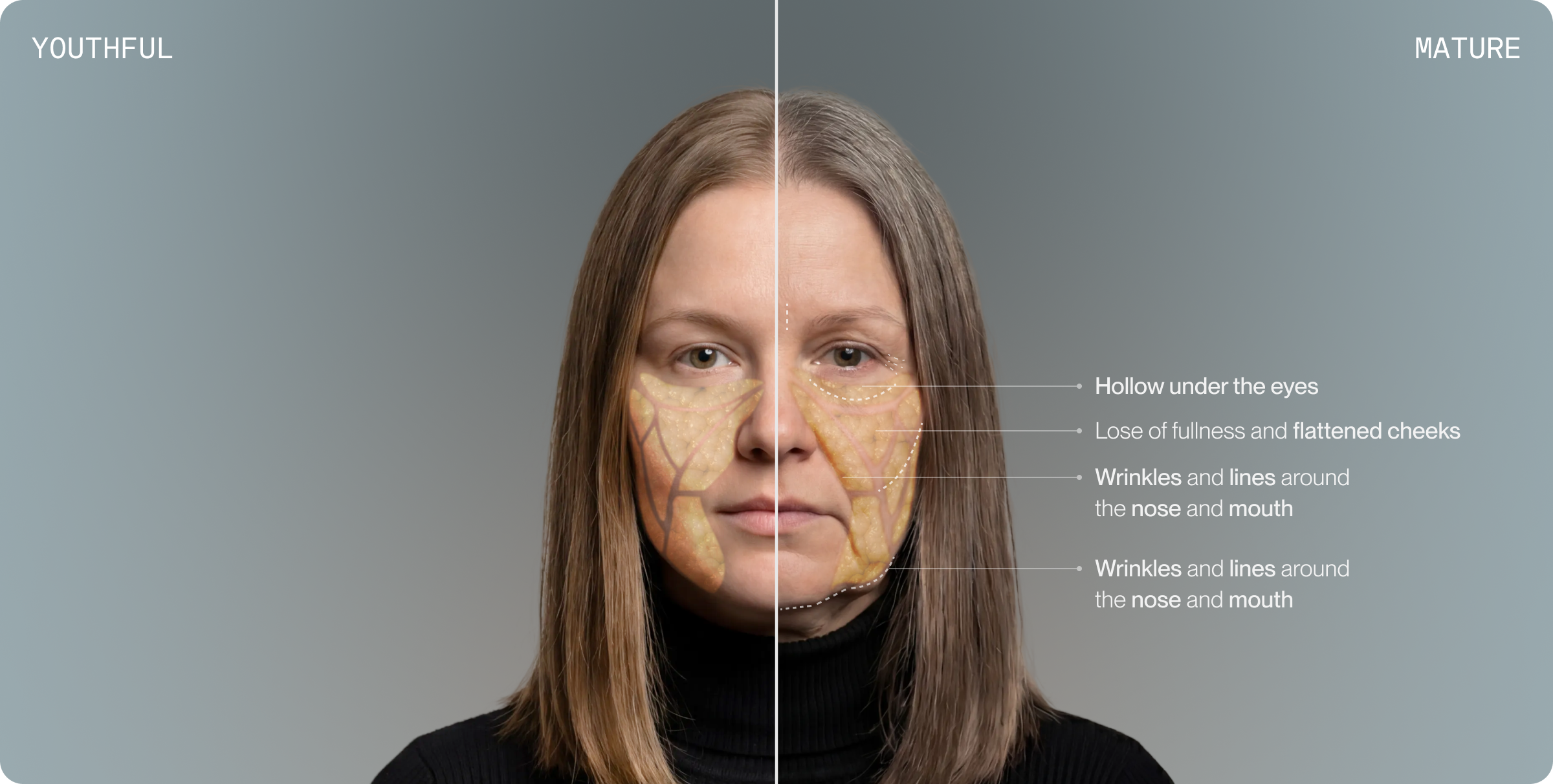
Figure 20.
Research shows that the relationship between perceived facial age and adiposity is dependent on chronological age. A carefully conducted twin study found that in twins under 40, the heavier twin looked older, but in twins over 40, the heavier twin actually looked younger than the leaner twin22. In other words, higher adiposity when you’re young makes you look older, but when you’re old, it actually makes you look more youthful. In younger adults (20s and 30s), the evidence does seem to point to the fact that excess facial adiposity contributed to an older appearance in adults38.
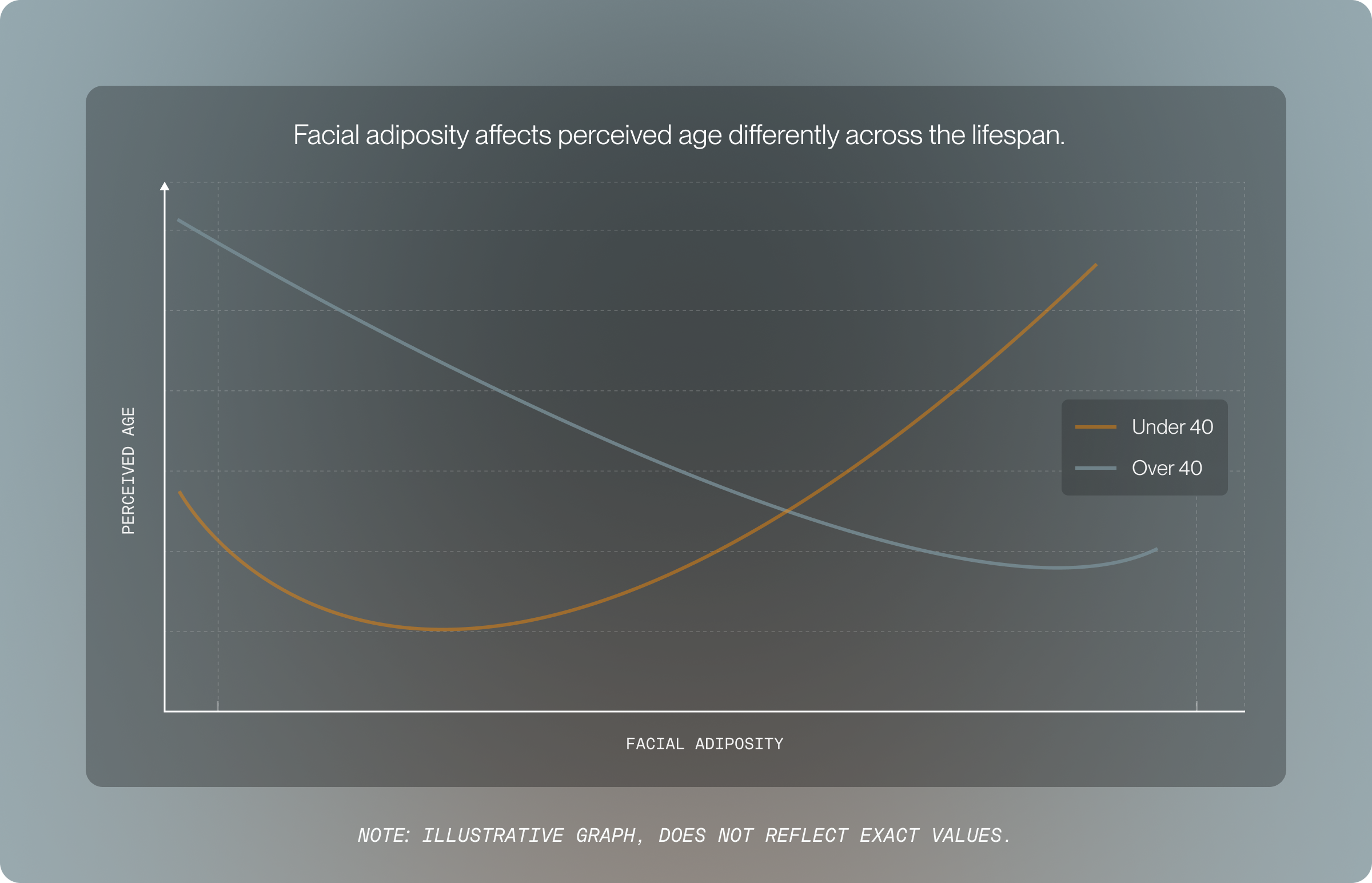
Figure 21.
At the same time, too little fat in the face is a well-known hallmark of ageing. A 2024 systematic review found that decreased facial adiposity following weight loss surgery (bariatric interventions) was associated with an older appearance5. The loss of volume and mid-cheeks and increased skin laxity in the central neck were the most important changes associated with this effect. The authors’ conclusion was clear: “the apparent age of patients was higher among those with massive weight loss”5. A 2018 prospective trial reported that one year after bariatric surgery, patients’ perceived age had increased by an average of 2.9 years39. Recently, with the increased use of weight-loss drugs, people started to talk about an “Ozempic face”, which reflects how rapid fat loss can cause skin laxity and hollowness, making someone look older.
More research is needed to understand how other surgical procedures that remove facial fat affect age perceptions, especially in middle and older age.
The Science of Facial Adiposity
This section is designed for those interested in a deep dive into the science and research of facial adiposity. As we will see, studies vary widely in their methods, populations, and stimuli. All of these factors impact both results and our understanding of this topic.
How is Facial Adiposity Measured?
Three-dimensional Morphs.
Most researchers quantify or manipulate facial adiposity using Body Mass Index (BMI). This method is effective because research consistently demonstrates a strong correlation between BMI and the weight perceived from a person's face: individuals with higher BMI are perceived as having greater facial adiposity.
Let’s examine the highly influential paper by Coetzee and colleagues9 to better understand what this looks like in practice. These are the steps the authors took:
- Measured the BMI of participants.
- Captured a 3D photograph of participants using a facial scanner.
- Created a low and high BMI face by combining the facial images of the 10 women with the lowest (Mean = 18.3) and the highest (Mean = 29.9) BMIs.
Participants were then asked to transform the face (across the BMI dimension) to optimise attractiveness. The 3D images rotated and changed in weight as participants moved a bar.
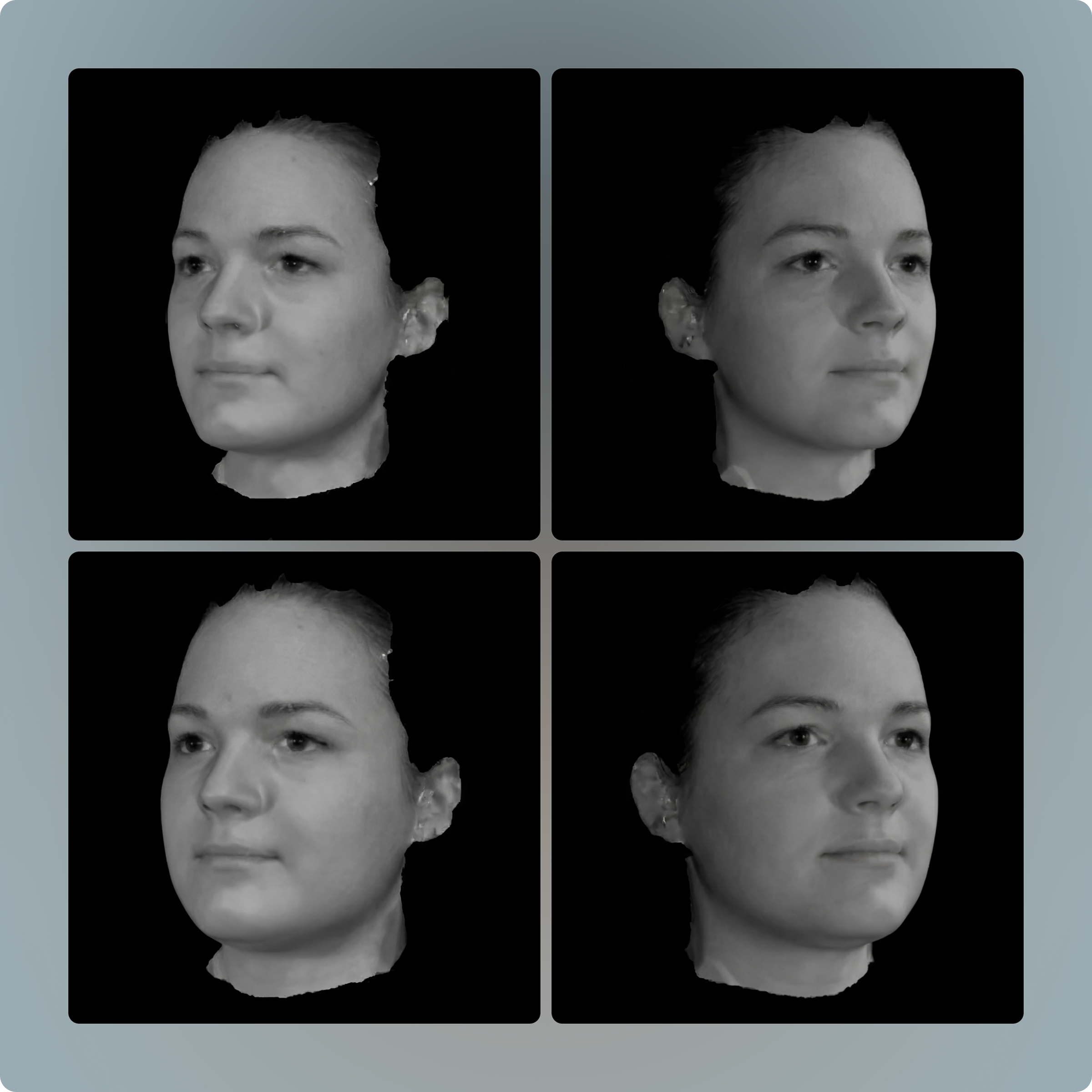
Figure 22.
We take this to be a robust method, mainly because it allowed participants to assess phases on a 3-dimensional plane, whereas the vast majority of studies are limited to 2D photographs.
Two-dimensional Morphs.
This method is similar to the one described above, but is more widely used. The key difference is that researchers work with standard 2D photographs rather than 3D facial scans. One example comes from Batres and Perrett36, who investigated how internet access affects preferences for facial adiposity. In their study, the researchers:
- Used a database of facial images of men and women, for whom height and weight data were available.
- Calculated the BMI of each individual in the photographs.
- Created low- and high-BMI prototype faces for each sex by averaging (”blending”) the faces of the 10 men and 10 women with the lowest and the 10 with the highest BMIs. In their sample, the mean BMI of the low-BMI prototypes was 22.2 for men and 17.9 for women, and for the high-BMI it was 26.5 for men and 24.1 for women.
- The prototypes were then used to create “transforms” with a 50% difference of the shape difference, for a total of 10 faces for each sex.
The image below shows some examples of these morphed faces that participants then rated for attractiveness.
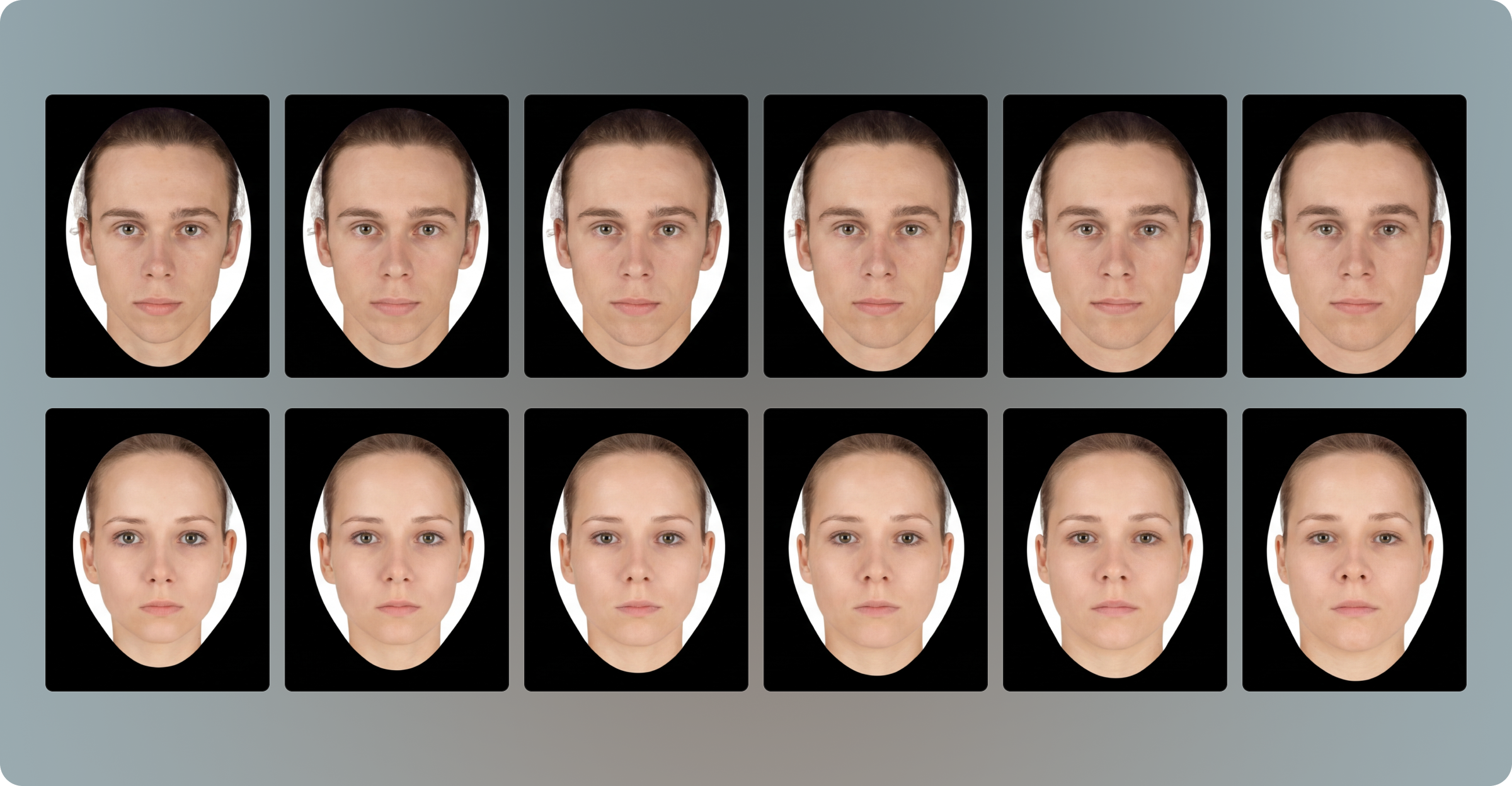
Figure 23.
This is a robust methodology, although not quite up to the standard of Coetzee and colleagues, because it does not allow participants to look at the face in the three-dimensional realm, which is how humans actually perceive faces most of the time. Finally, because they used a photograph and not a more extensive continuum, the design may not allow researchers to capture smaller differences.
Perceived Trait.
A simpler and straightforward method for assessing facial adiposity is simply by asking people to rate faces. While this may sound far too simple, it is actually a solid approach because other research has shown a strong correlation between perceived facial adiposity and objective BMI. For instance, an important study by Foo and colleagues34 took photographs of participants and then recruited additional men and women online to rate those faces, therefore gathering a measure of perceived adiposity.
This is, of course, not as precise and accurate as the previously discussed methods, but it is often used in research to look at simple associations.
Limitations
Facial adiposity is a strong predictor of attractiveness in both men and women, as studies show a strong preference for faces with a healthy BMI. Nevertheless, the reviewed evidence in this article comes with limitations that should be mentioned.
The majority of the studies published on facial adiposity used Caucasian students in their early to mid-twenties as both stimuli (faces shown to participants) and raters. This is problematic because there may be both age-specific effects (see our Youthfulness and Beauty article) and ethnicity effects that might go unnoticed. There is very limited work done on Asian, Hispanic, and African faces and populations. The results by Batres and Perret36, which showed that people without internet access preferred female faces with higher levels of adiposity compared to people with internet access, already suggest that we might be missing important information by limiting studies to developed countries only.
Not all studies differentiate the sex of the rater, but there are strong reasons to believe that males and females judge both male and female faces differently. Researchers should therefore include this data in their reports to examine how people of opposite genders judge one another.
One limitation that is largely overlooked in the scientific literature is that most studies use average faces to create high- and low-BMI prototypes. By definition, prototypes are more attractive than the average person (see our article on Averageness and Beauty), which introduces an important confounding effect to the design. It would be helpful and interesting to see studies where natural, unedited faces are used, rather than composites.
Conclusion
Facial adiposity is strongly correlated with perceived and objective health, attractiveness, and ageing. The evidence reviewed in this article shows that “face fat” is not a trivial aesthetic detail but a visible expression of underlying biology: it tracks BMI, predicts cardiovascular and immune markers, and shapes how old, healthy, and competent we appear. At the same time, cultural pressures on women often push their ideals below physiologically optimal levels, creating a gap between what is healthy and what is considered beautiful.
At QOVES, our takeaway is deliberately simple: aim for a sustainable, healthy BMI and body-fat percentage, avoiding both extreme leanness and excessive adiposity. This middle ground maximises perceived health, youthfulness, and attractiveness while supporting long-term wellbeing. In beauty, as in medicine, extreme interventions rarely win.